
Designing for Longevity: Four Key Takeaways from the Blue Zones for Modern Organisations
Welcome to our 2026 Colectivo Club series. Throughout the year, we have explored influential books, documentaries, and ideas that challenge how we think about sustainability, transformation, and resilience.
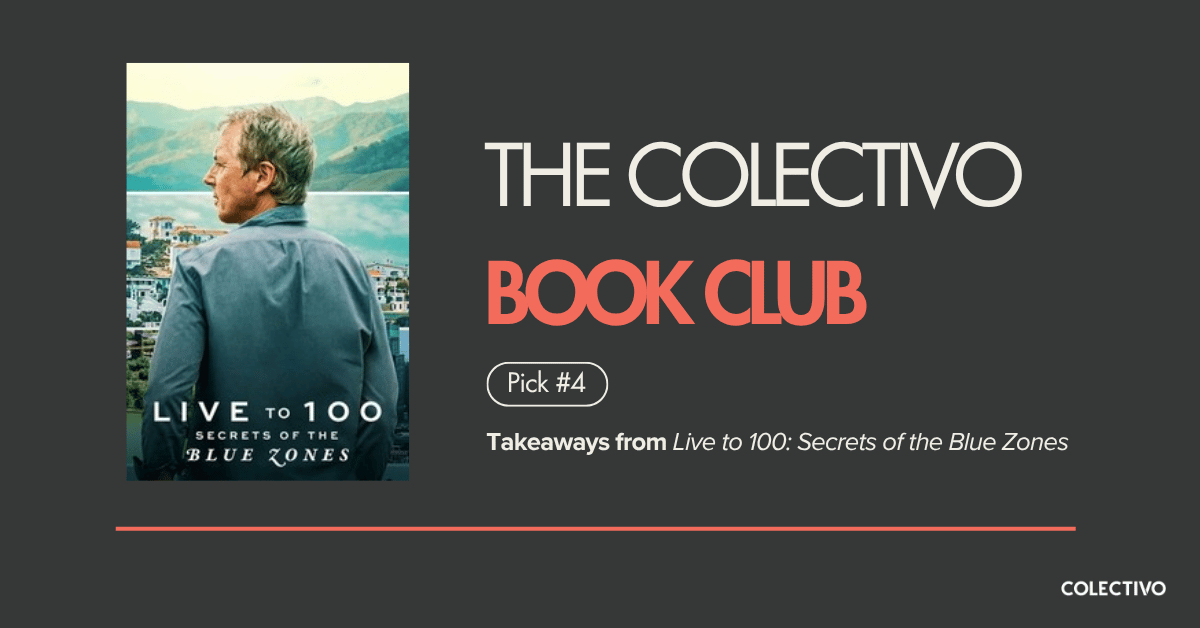
This time, we are returning to our fourth pick, which is a documentary rather than a book: the Okinawa episode of the acclaimed series Live to 100: Secrets of the Blue Zones. We are sharing four practical takeaways for modern organisations and professional life.
When we consider the primary challenges facing contemporary workplaces, issues such as employee isolation, burnout, and a lack of clear engagement consistently top corporate risk registers. To resolve these challenges, businesses frequently invest in transactional wellness initiatives. However, as demonstrated in our previous analysis of the Okinawan lifestyle, true resilience cannot be bought off the shelf. It must be intentionally designed into the daily operations, infrastructure, and culture of an organisation.
By looking closely at the specific habits that drive health and longevity in Okinawa, we can extract four core structural lessons for modern business leaders looking to build sustainable, high-performing corporate environments.
1. Anchor Operations in a Clear Sense of Purpose (Ikigai)
In Okinawa, there is no direct translation for the word "retirement". Instead, life is governed by the concept of ikigai, which translates to "the reason for which you wake up in the morning". Centenarians in Okinawa maintain a distinct, acknowledged role within their social ecosystem, whether that role involves cultivating a specific crop, teaching traditional crafts, or acting as a guide for younger community members. This sense of purpose provides a powerful psychological buffer against stress and cognitive decline.
The Corporate Application: In professional environments, a lack of clear purpose is a primary driver of quiet quitting and psychological disengagement. Employees must be able to connect their daily administrative or technical tasks to a broader, meaningful outcome.
Through our capability programmes, we work with leadership teams to co-create transparent communication frameworks. By clearly linking individual roles to the company's broader sustainability goals, B Corp commitments, or community impact targets, organisations can cultivate an authentic sense of ikigai across their teams. When people understand why their contributions matter, engagement and retention increase naturally.
2. Establish Robust Social Support Networks (Moai)
One of the most striking social innovations highlighted in the Okinawa documentary is the moai. A moai is a structured, lifelong social support group formed during childhood. Members of a moai meet regularly to discuss life, share meals, and pool financial resources to support one another during times of hardship. This absolute guarantee of social safety eliminates the chronic isolation that degrades long-term mental and physical health.
The Corporate Application: Modern corporate structures often inadvertently foster silos, competitive friction, and individual isolation, particularly in hybrid or fully remote working models. To combat this, businesses must invest in deliberate social infrastructure. This goes beyond standard team-building events or happy hours.
Leaders should design formal cross-functional peer networks, structured mentorship initiatives, and regular space for authentic human connection. By embedding peer-led mutual support systems into your organisational design, you can reduce professional stress, improve knowledge sharing, and build a more connected, resilient workplace culture.
3. Design Workflows around Continuous, Natural Movement
The long-lived residents of Okinawa do not engage in intense, periodic gym sessions. Their physical vitality is sustained through built-in, low-intensity physical activity throughout the day. They walk to local markets, maintain active backyard vegetable patches, and spend time sitting on traditional floor mats, which naturally exercises their core muscles and mobility over decades of daily life.
The Corporate Application: The modern knowledge economy is built on prolonged sedentary behaviour, with employees spending hours immobilised in front of digital displays. This structural arrangement leads to physical fatigue and diminished cognitive clarity. Organisations can alter this dynamic by re-evaluating their workflow models.
By adopting a service design mindset, we help businesses evaluate and alter their daily operating patterns. This can include designing "standing or walking meeting" protocols, restructuring project timelines to allow for regular breaks, and configuring physical office layouts to encourage natural, continuous movement throughout the working day.
4. Foster Proximity to Nature and Organic Rhythms
Okinawan longevity is deeply tied to the natural world. Daily life is synchronised with seasonal agricultural patterns, and residents spend a significant portion of their time outdoors tending soil, harvesting natural foods, and interacting with their local environment. This consistent proximity to nature lowers cortisol levels, reduces blood pressure, and improves overall emotional stability.
The Corporate Application: Corporate operating models often treat human beings as linear machines capable of constant, identical output regardless of external context. This expectation ignores basic human biology and accelerates corporate burnout.
To build a sustainable culture, businesses must acknowledge human thresholds and integrate regenerative spaces into their schedules. This can involve supporting nature-based employee engagement activities that bring teams into direct contact with natural systems. Aside from being a nice break from the normal work environment, it can also provide deep psychological restoration, sparks creative innovation, and builds a genuine, shared commitment to environmental sustainability.
Moving Beyond Compliance
The core lesson from the Blue Zones is that human vitality is an environmental design challenge. By moving past superficial wellness initiatives and intentionally embedding purpose, connection, natural movement, and organic rhythms into the core operations of your company, you can build an organisation that is genuinely future-ready.
Ready to redesign your organisational workflows and culture for long-term health? Get in touch with Colectivo today to learn how our frameworks can transform your business into a resilient, human-centred environment where employees truly thrive.
