
Learning by Re-design: IE University iMBA Students Explore the GreenTally User Journey
As sustainability expectations grow, the tools organisations use to understand their impact matter more than ever. Carbon accounting platforms are not only technical systems. They are part of how businesses build clarity, make decisions, and take ownership of their emissions journey.
This was the focus of a recent collaboration involving iMBA students from IE Business School, led by Laura McDermott, who is a faculty member of IE in addition to being founder and CEO of Colectivo. As part of their UX design work, students explored GreenTally’s carbon accounting platform and considered how the onboarding and wider user journey could be made even clearer, more intuitive, and more confidence-building for business users.
The session also connected closely with Colectivo’s ongoing partnership with GreenTally, our official carbon accounting partner. Together, we support businesses and organisations seeking greater clarity in their carbon journey. Colectivo works with teams to understand the context and scope of their activities, before collaborating with GreenTally to calculate Scope 1, 2, and 3 emissions and debrief organisations on the results.
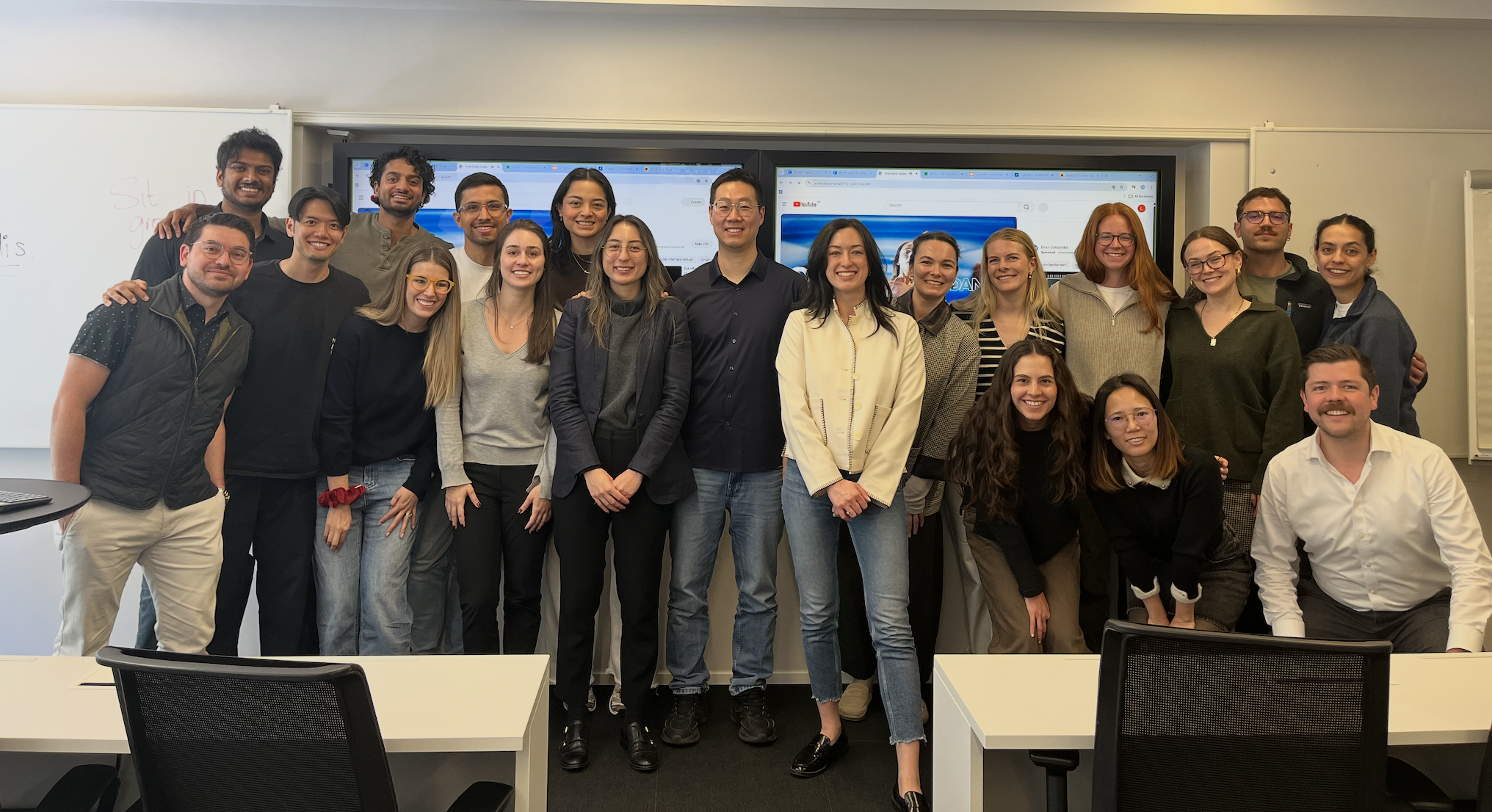
Looking at the platform through the user’s eyes
The students approached GreenTally from a practical user perspective. Their work focused on how a business user first enters the platform, what guidance they need at each stage, and where complexity or uncertainty may arise.
One presentation framed the challenge through the lens of a time-poor sustainability lead who needs clear data, accessible guidance, and reassurance that they are moving through the process correctly. This helped surface an important point: carbon accounting is not only about accurate calculation, but also about creating a user experience that makes complex information feel manageable.
Major takeaways
A key takeaway was the importance of reducing cognitive overload. Students highlighted that first-time users can be faced with a lot of information at once, particularly during onboarding. Their recommendations included clearer staging, stronger progress cues, and simpler pathways through the platform.
They also explored how regulatory and reporting information could be surfaced, especially for organisations operating across different markets.
What stood out was the way students applied UX Laws and principles to a live sustainability challenge. Their suggestions were not abstract. They focused on practical improvements that could help users engage more confidently with carbon accounting and better understand the value of the data they are providing.
Why this matters
This exercise offered a valuable reminder that sustainability transformation is not only about better data. It is also about better design around that data.
When cutting-edge carbon accounting tools like GreenTally become even more intuitive and accessible, organisations are better equipped to engage with their emissions, identify priorities, and move from reporting toward informed action.
The MBA students’ work brought a fresh, user-centred perspective to that challenge, while reinforcing the importance of collaboration between education, design thinking, and practical sustainability work.
As our GreenTally blog series continues, this session reflects a central idea: helping organisations progress on their carbon journey requires both technical rigour and human-centred design.
