
Insights from Colectivo
Sharing what we’re learning as we help organizations navigate change.
Here, our team shares ideas, lessons, and stories from the field, offering fresh perspectives on what it takes to build resilient, future-ready organizations.
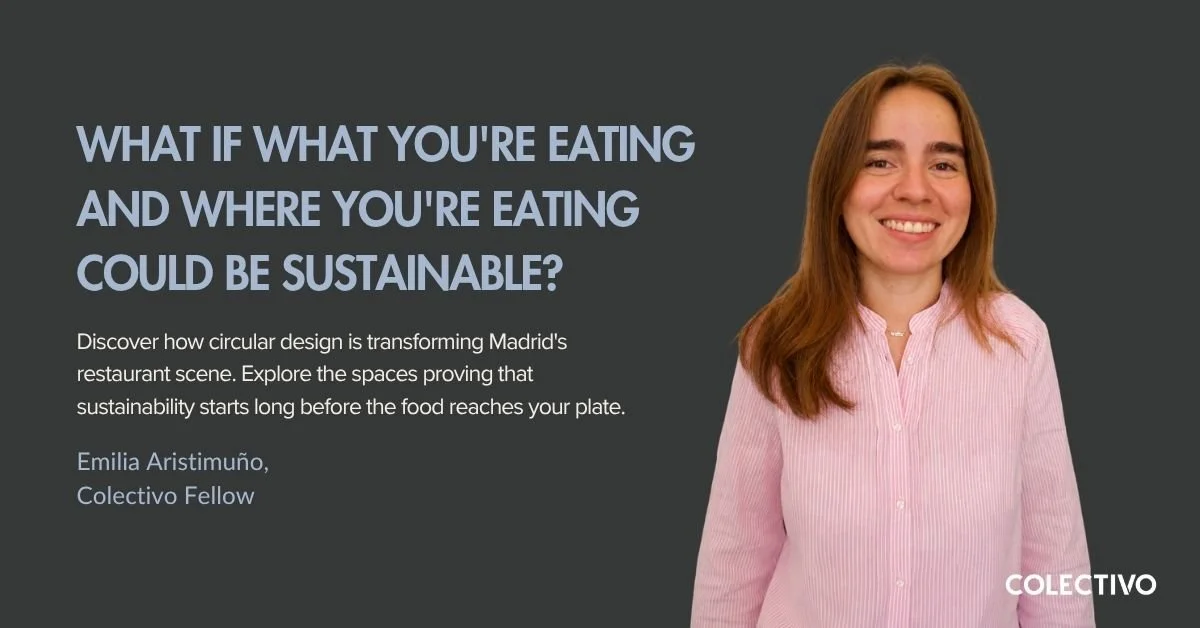
What if what you're eating and where you're eating could be sustainable?
Today we are focusing on three spaces in Madrid where you can experience sustainability in all its forms: from the chair you are sitting on to the ingredients on your plate. Infinito Delicias, Mo de Movimiento and Tramo are disrupting the way places and people connect with the planet.
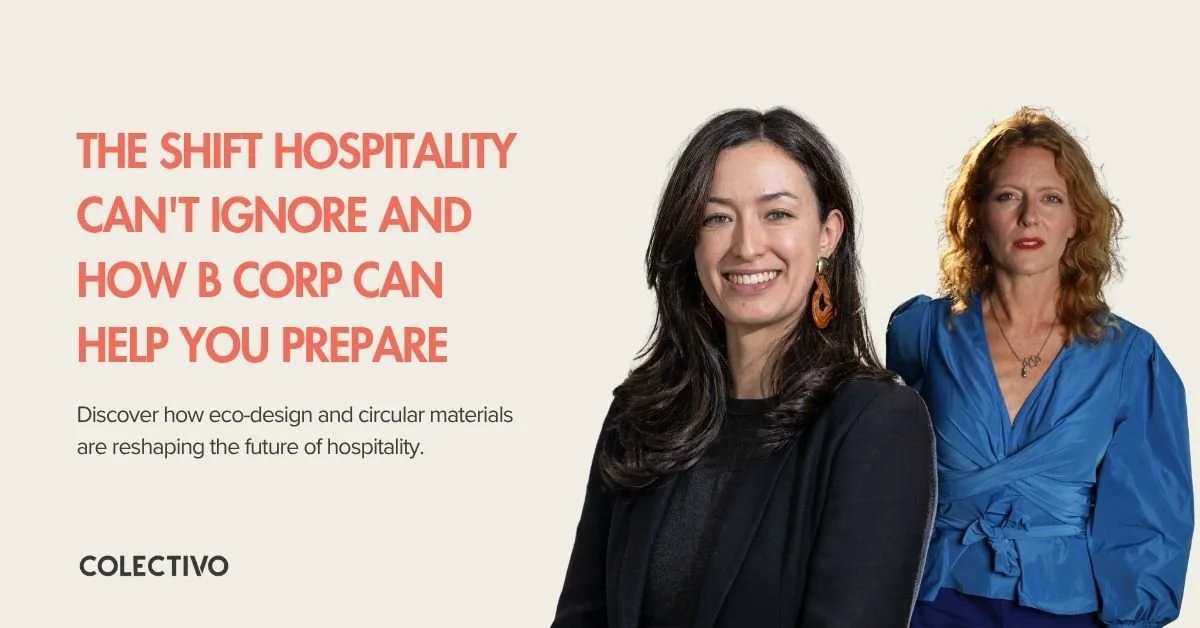
The Regulatory Shift Hospitality Can't Ignore and How B Corp Can Help You Prepare
In a recent conversation with Morgan Ræ for the Colectivo Podcast, we explored how incoming EU regulations are reshaping the future of hospitality, and where established sustainability frameworks can help brands get ahead of the curve.
Morgan is the founder of L'Eautelier, a marine-based design studio focused on hospitality, and her work sits at the intersection of eco-design, materials innovation and regulatory change. At Colectivo, this conversation felt especially relevant to the work we do with organisations navigating sustainability, regulation, culture change and B Corp certification. For many hospitality brands, the next few years will bring growing pressure to rethink packaging, amenities, sourcing, materials and waste.
Designing Behaviour: Understanding behaviour, the environment and designing for change. Looking Beyond People.
For a long time, I explained behaviour by looking at the individual. Someone is impatient, chooses not to follow the rules, or just never does the right thing. These explanations felt intuitive because they focused on the person. However, as I learned more about behavioural science, service design and systems thinking, I realised that behaviour doesn’t happen in a vacuum. People are constantly responding to the environments around them, often in ways they don’t even notice.
Transforming Hospitality with Eco-Design: Insights from Morgan RÆ
From Coastal Problem to Design Opportunity: Rethinking Hospitality Materials with Morgan Ræ
In a recent conversation with Morgan Ræ for the Colectivo Podcast, we explored how eco-design and seaweed-based materials are reshaping the future of hospitality.
Morgan is the founder of L'Eautelier, a marine-based design studio focused on hospitality. Her work looks at how hotels can move beyond conventional materials and reimagine guest experiences through algae-based, bio-based and circular design solutions.

B Corp™ Certification: A Growing Opportunity for Ireland's Food Businesses
B Corp™ certification isn't a niche credential anymore. It's a global movement of over 10,000 companies across more than 100 countries, all held to the same standard: verified social and environmental performance, public transparency, and legal accountability to consider the impact of every decision - not just on shareholders, but on workers, communities, customers, and the planet.
Harnessing AI for Effective Sustainability Collaboration: Bridging the Intention-Action Gap
In today's fast-paced world, the concept of sustainability has evolved into a collective responsibility, demanding teamwork and innovative approaches. In this blog post, we will explore how AI tools can enhance collaboration within multidisciplinary teams and address the critical intention-action gap that often hinders progress. Learnings and takeaways have been informed by a recent session on “Resilience by Design: An AI Toolbox Talk for High-Impact Collaboration“ held with Marco van Hout, founder of Metodic.io
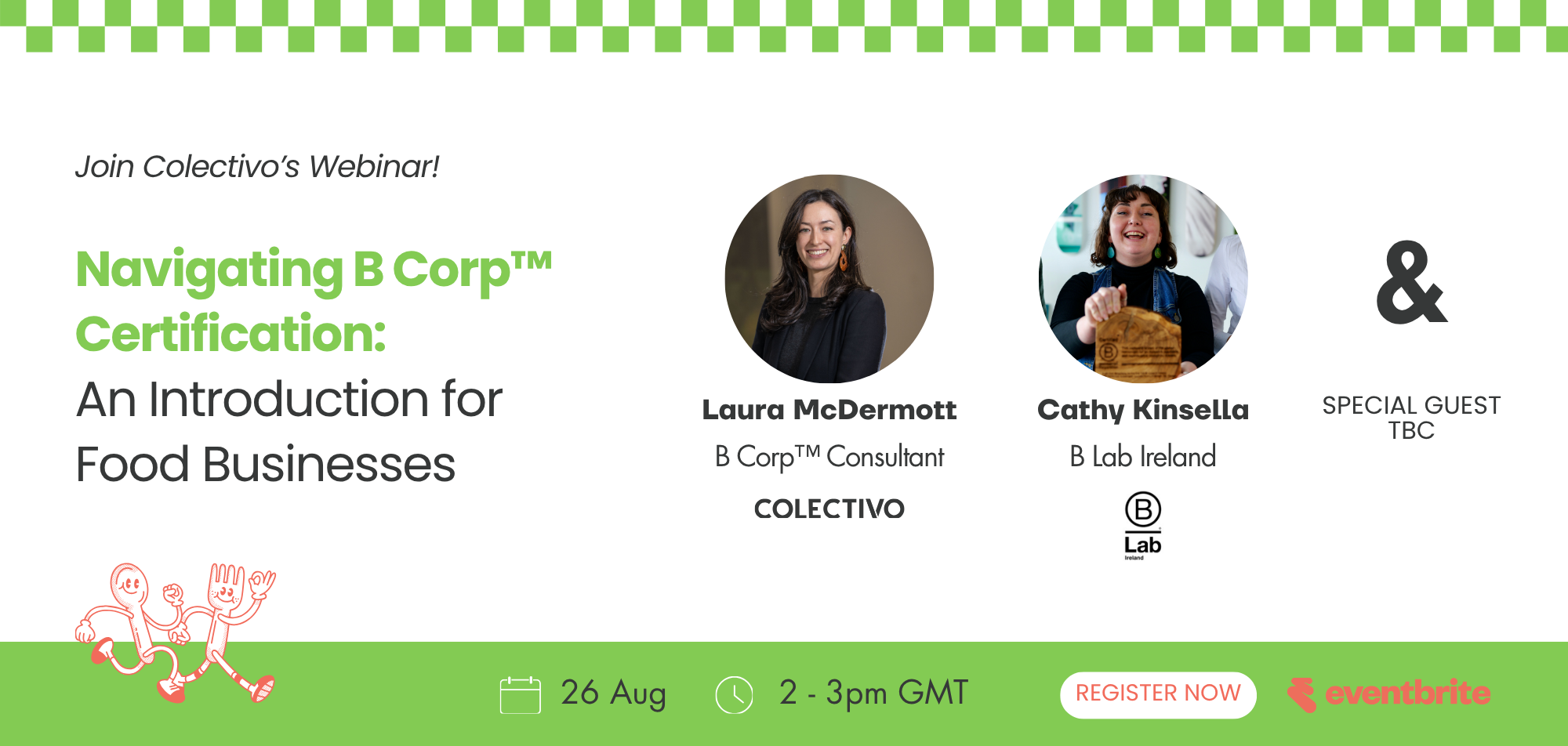
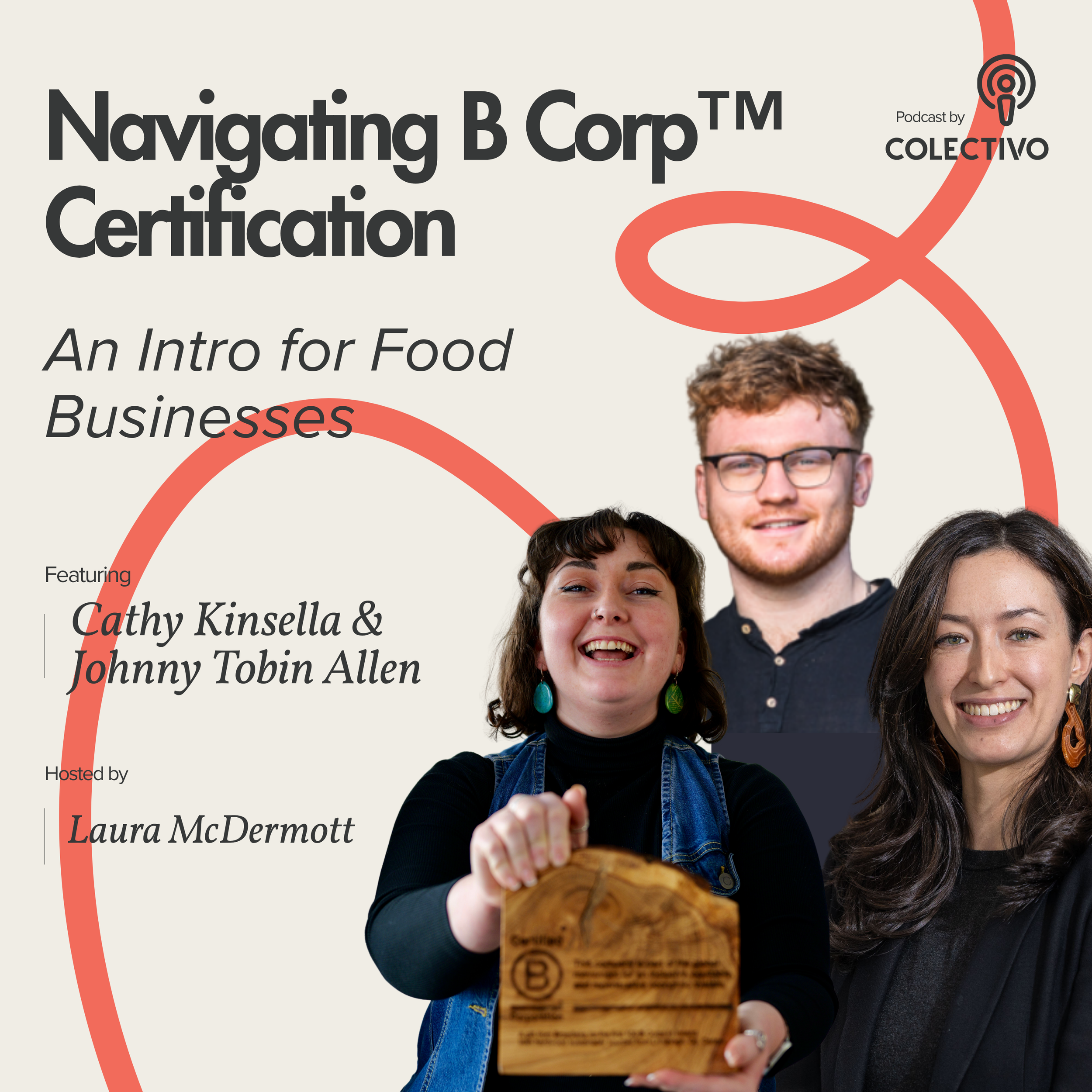
Navigating B Corp Certification: An Intro for Food Businesses in Ireland
Thinking about B Corp certification for your food or drinks business, but not sure where to start? Colectivo is hosting an online information session built specifically for food and beverage businesses in Ireland who want a clear, honest introduction to the process.
Explain’d: E-Waste in the Modern Business Landscape, The Hidden Goldmine and Growing Challenge.
Take a look around your office. From the smartphones in your employees' pockets to the monitors on their desks and the servers quietly humming in the IT room, our businesses run on electronics. But what happens when those devices reach the end of their lifecycle?
They become Waste Electrical and Electronic Equipment (WEEE), commonly known as e-waste.
According to the European Commission, e-waste is one of the fastest-growing waste streams in the world. In the EU alone, 14.4 million tonnes of electrical and electronic equipment were put on the market in 2022, while only 5 million tonnes of e-waste were formally collected.
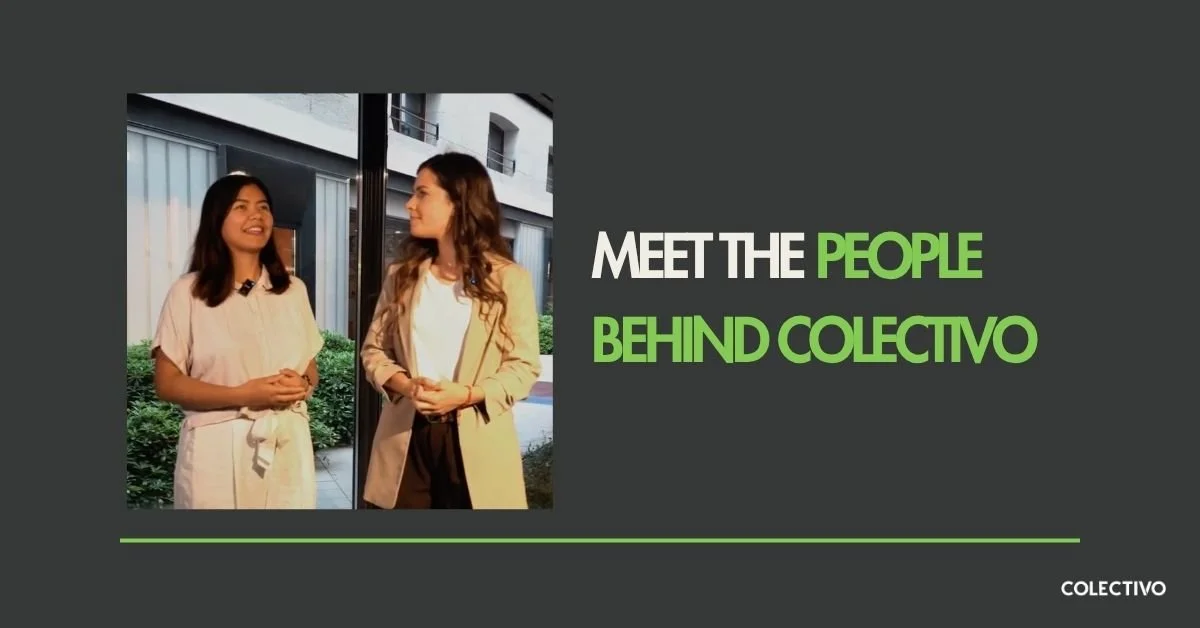
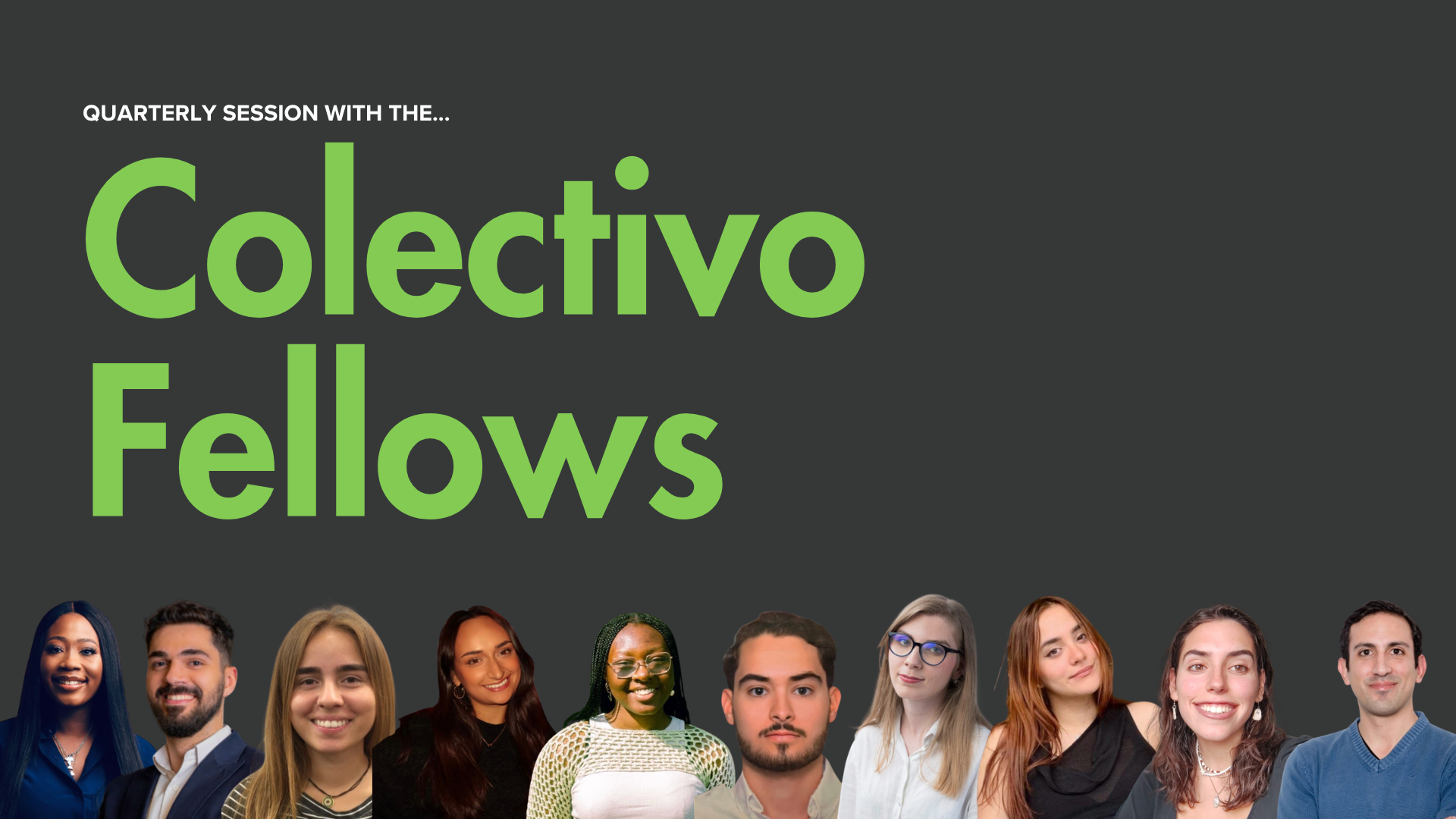
Meet the People Behind Colectivo
The prevailing narrative surrounding modern sustainability consulting is frequently dominated by cold, mechanical data structures. Corporate websites are routinely filled with intricate carbon accounting metrics, dense regulatory compliance updates, and complex systems-thinking charts. While this empirical rigor is absolutely vital to establish professional authority and guide strategic asset adjustments, it can occasionally obscure the most critical component of any successful transformation enterprise: the human beings who actually design and coordinate the work.
Innovation Spotlight Series | Tony’s Chocolonely: Responsible Communication & System Change
As part of Colectivo’s Innovation Spotlight Series, we explore how purpose-driven organisations communicate responsibility with clarity, integrity, and impact. Few brands demonstrate this as effectively as Tony’s Chocolonely, a chocolate company rooted in transforming the cocoa industry by making ethical supply chains the norm, not the exception.

Actionable Adjustments: Clive Carroll on Behaviour Change for Sustainability
A striking percentage of corporate sustainability strategies encounter internal resistance or fail to deliver their anticipated long-term value. The root cause of these bottlenecks is rarely technical or financial deficiency. More frequently, it is a failure of behavioural design. Management teams often operate under the assumption that simply publishing a comprehensive policy document or broadcasting an ambitious corporate target will inspire workforces to alter their daily habits.
In practice, human systems do not adapt to abstract pronouncements. True, permanent transformation requires moving away from top-down ideological preaching and instead investing in practical, human-centred training methodologies that systematically shift behaviour from the ground up.

Are Your Public Claims Compliant? The Responsible Comms Sprint
The regulatory environment governing corporate environmental communications is undergoing its most significant structural correction in a generation. Until now, businesses operating in the EU have operated with a high degree of latitude regarding how they position their sustainability initiatives. Marketing departments have deployed aspirational language: utilising terms such as "eco-friendly", "clean energy", "carbon neutral", and "net zero" as standard branding mechanisms to signal corporate responsibility.

Behind the Scenes: What Is Colectivo Up To Right Now?
The consulting landscape often suffers from an excess of polished, theoretical presentations, where companies receive decks that describe what transformation should look like in a perfect corporate environment. However, business leaders operating on the ground quickly realise that real-world change is inherently iterative, hands-on, and occasionally complex. To build genuine trust, consultancies must be willing to step out of the boardroom and share their active operational realities transparently.

Setting the Course: Building Success with Our FutureProof Packages
Many leadership teams approach sustainability with a high degree of anxiety. Driven by intensifying regulatory demands, shifting consumer sentiment, and stringent procurement criteria, organisations frequently feel compelled to act quickly. This urgency often results in a familiar pattern: businesses rush to implement isolated environmental initiatives, sign up for superficial pledges, or publish ambitious long-term carbon reduction targets before evaluating whether their operational infrastructure can support those commitments.

Beyond the Lecture: Why Game-Based Learning is Irreplaceable for Climate Resilience
Authored by Laura McDermott.
On 26th June, I had the privilege of joining the closing panel for the "Climate for All: Building Green Competences for a Resilient Europe" conference in Brussels. Sitting inside the European Committee of the Regions, the backdrop couldn’t have been more poignant: Brussels was enduring a severe heatwave. It was a terrifying, tangible reality check that pulled our discussions out of the realm of abstract theory and directly into the urgent present. We aren't just designing educational frameworks; we are working to build the resilience needed to face a rapidly changing climate head-on.